Creating Memory Boxes: A Healing Activity for Grieving Children
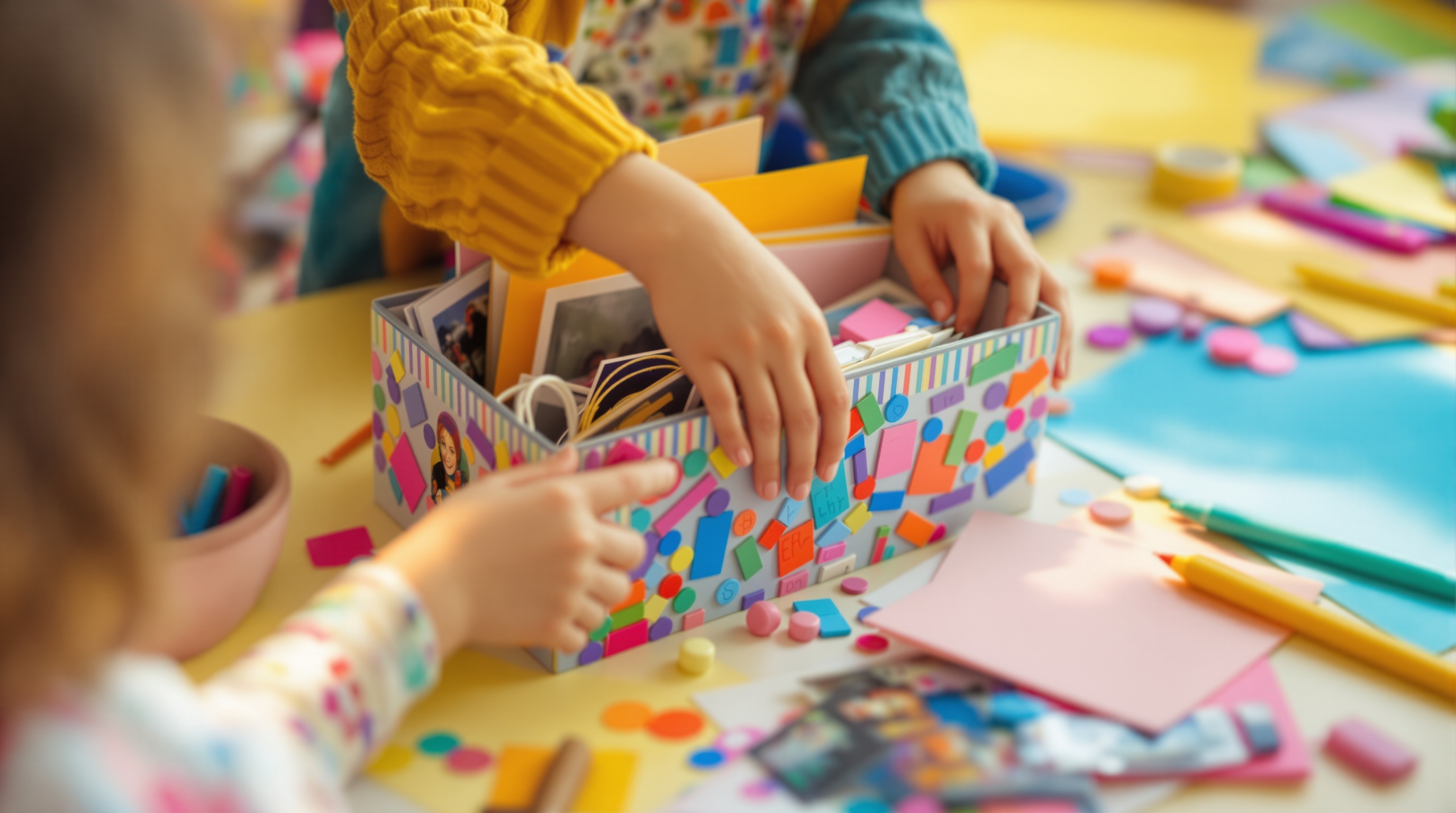
For kids: A memory box is like a treasure chest for your heart! You fill it with things that make you smile when you think about Mom or Dad. You get to choose everything that goes inside — it's YOUR special box.
Memory boxes provide a tangible way for children to preserve and honor their memories of a lost parent. This simple yet powerful activity gives children control over how they remember their loved one while creating a lasting treasure they can revisit whenever they need to feel close to their parent. Learn how to create a meaningful memory box with your child and why this activity can be so therapeutic.
Why Memory Boxes Help with Grief
Memory boxes serve multiple therapeutic purposes for grieving children:
Kids Are in Charge
When so much feels out of control, the memory box is 100% theirs. They choose what goes in, how it looks, and when to open it.
Helps Them Express Feelings
Picking items and explaining why they matter helps kids put feelings into words. Even quiet kids can "speak" through their choices.
Memories Stay Safe Forever
Physical objects inside mean memories are "real" and won't disappear. It's proof that love lasts.
A Comfort on Hard Days
When sadness feels big, opening the box can feel like a hug from the parent they miss.
Starts Family Conversations
The box becomes a natural way to share stories. "Remember when Dad wore this hat?" becomes a doorway to connection.
Try This Today!
Start simple! Grab any shoebox and some supplies (stickers, markers, wrapping paper, glue). Let your child decorate the outside however they want. The inside comes later — the decorating itself is part of the healing.
Getting Started: Choosing the Right Box
The container itself is important. Let your child choose or decorate a box that feels special to them. Options include:
Wooden Box
Can be painted, stained, or decorated with stickers. Classic and sturdy!
Shoebox or Cardboard
Cover with fabric, wrapping paper, or magazine cutouts. Budget-friendly!
Decorative Tin
Pretty tins from craft stores. Great for small, precious items.
Small Trunk or Suitcase
Perfect for larger collections. Feels like a real treasure chest!
The size should be manageable for your child to handle independently but large enough to hold meaningful items. Consider where it will be stored — some children want their memory box in their room where they can access it anytime, while others prefer it in a shared family space.
What to Include in a Memory Box
There are no rules about what belongs in a memory box. Let your child choose items that feel meaningful to them. Here are some ideas to get started:
Photographs
Include photos of special moments, everyday activities, or images that capture your loved one's personality. Consider printing duplicates so children don't worry about damaging precious originals. Let children choose which photos are most meaningful to them—their choices might surprise you.
Personal Items
Small belongings that carry your loved one's scent or essence can be incredibly comforting. For railroad families, this might include:
- A piece of their uniform or work shirt
- Their railroad badge or ID
- A watch or piece of jewelry they wore
- A favorite hat or bandana
- Small tools or equipment they used
- Their cologne or perfume on a handkerchief
Written Memories
Encourage children to write or draw their memories and feelings. This might include:
- Letters to their parent
- Favorite memories written down
- Drawings of special times together
- Poems or songs that remind them of their parent
- Lists of things they loved about their parent
Shared Experience Mementos
Items from activities you did together help preserve specific memories:
- Ticket stubs from events you attended
- Postcards or souvenirs from trips
- Programs from school events they attended
- Recipes you cooked together
- Game pieces from favorite games
Railroad-Specific Items
For children of railroad workers, including railroad-related items helps maintain that special connection:
- Photos of them with trains or at work
- Railroad company memorabilia
- Maps of routes they ran
- Stories from coworkers
- Small model trains or railroad toys
The Creation Process
Creating a memory box should be a gentle, child-led process. Here's how to approach it:
Choose the Right Time
Don't rush this activity. Wait until your child seems ready to engage with memories. Some children want to create a memory box immediately, while others need more time. There's no wrong timeline.
Make It a Shared Experience
Sit with your child as they select items and decorate their box. Share your own memories as items are chosen. This creates opportunities for meaningful conversations and helps children feel less alone in their grief.
Let Them Lead
Resist the urge to direct what goes in the box. What seems insignificant to you might hold deep meaning for your child. A ticket stub from a movie might represent a rare day when their railroad worker parent was home and available.
Expect Emotions
Creating a memory box can bring up strong feelings. Your child might cry, laugh, or need to take breaks. This is all part of the healing process. Let them know all feelings are okay and you're there to support them.
Using the Memory Box Over Time
A memory box isn't a one-time project—it's a living collection that can grow and change:
- Add to it regularly: Encourage children to add new items as they find them or create them—new drawings, letters, or mementos from railroad events.
- Revisit together: Periodically look through the box together, sharing memories and stories about the items inside.
- Use during difficult times: When your child is having a particularly hard day, the memory box can provide comfort and connection.
- Share with others: Children might want to show their memory box to siblings, grandparents, or friends, helping them share their parent's story.
- Let it evolve: As children grow, what they include might change. That's perfectly normal and healthy.
Memory Boxes for Different Ages
Adapt the memory box concept to your child's developmental stage:
- Young children (3-6): Focus on sensory items—soft fabrics, scented items, and lots of photos. Help them decorate the box with stickers and drawings.
- School-age (7-12): Encourage writing and drawing. They might enjoy creating elaborate decorations or organizing items in specific ways.
- Teenagers: Respect their privacy and independence. They might prefer a more sophisticated container and want to work on it alone.
A memory box is more than a collection of objects. It's a tangible representation of love, a tool for healing, and a treasure that grows more precious with time. Through this simple activity, you're giving your child permission to remember, to grieve, and to keep their parent's memory alive in their own unique way.
Share this article