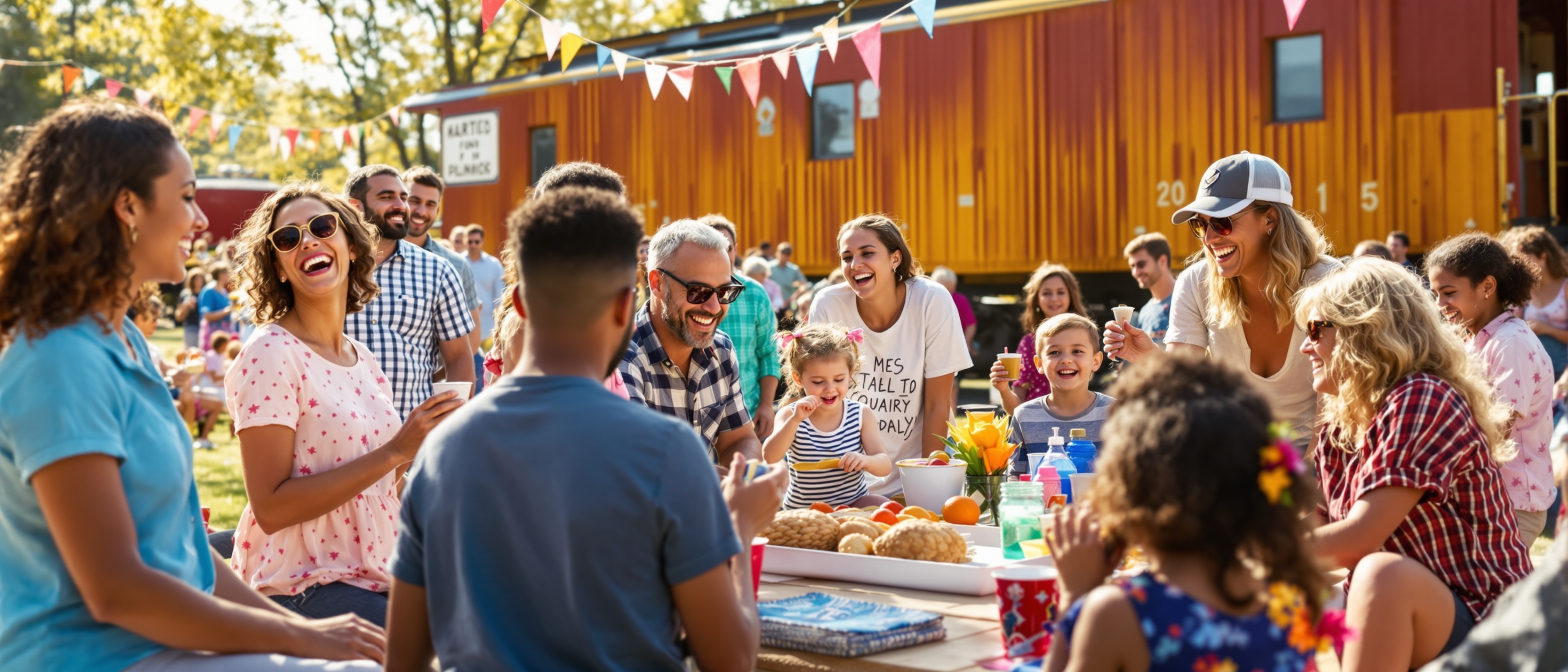
Did you know? When kids see other families who "get it," they feel less alone. Community is like a warm blanket on a cold day.
The Railroad Brotherhood Tradition
For generations, railroad workers have embodied the spirit of brotherhood and mutual support. This tradition extends far beyond the workplace, creating a tight-knit community that rallies around families in times of crisis.
When a railroad family experiences the loss of a parent, this community becomes a lifeline. The shared understanding of railroad life, the unique challenges of the profession, and the deep bonds formed through years of working together create a support network unlike any other.
Why Community Matters in Grief
Grief can be isolating. Bereaved families often feel that no one truly understands their pain. However, within the railroad community, families find others who have walked similar paths and can offer genuine empathy and practical wisdom.
Shared Understanding
Railroad families get the irregular schedules, the time away, the dangers. This shared life creates instant connection.
Reduced Isolation
Connecting with others who've been there reminds you: you're not alone. Healing is possible.
Practical Support
Meals, childcare, help with paperwork, rides to school — the railroad family shows up in real ways.
Ways the Railroad Community Supports Grieving Families
Immediate Crisis Response
In the immediate aftermath of loss, the railroad community often mobilizes quickly:
- Organizing meal trains to ensure the family has food
- Providing childcare so the surviving parent can handle arrangements
- Offering transportation and logistical support
- Creating fundraisers to help with immediate financial needs
- Simply being present and available
Long-Term Connection
The support doesn't end after the funeral. Railroad families continue to check in, remember important dates, and maintain connection:
- Regular check-ins and invitations to community events
- Remembering birthdays, anniversaries, and holidays
- Including children in railroad community activities
- Sharing stories and memories of the deceased
- Providing mentorship and guidance as children grow
Specialized Programs
Organizations like Cody's Caboose create programs specifically designed to support railroad families:
- Care baskets filled with comfort items and resources
- Tie Line Letters connecting children with supportive adults
- Survivors Joy Day bringing families together for celebration
- Educational resources about grief and healing
- Connection to professional counseling services
Try This at Home
Make a "Friendship Train" craft with your kids! Cut out paper train cars and write names of supportive people on each car. Hang it on the wall to remind your family of all the people who care about you.
Building Your Support Network
If you're a railroad family navigating loss, here are ways to build and strengthen your support network:
Reach Out
Don't wait for others to come to you. Reach out to coworkers, friends, and railroad family organizations. People want to help but may not know how. Letting them know what you need makes it easier for them to support you.
Join Support Groups
Look for grief support groups, either general or specifically for railroad families. These groups provide a safe space to share experiences and learn from others who understand.
Attend Community Events
Even when you don't feel like it, try to attend railroad community events. These gatherings help maintain connection and remind you that you're part of something larger.
Accept Help
Many people struggle to accept help, feeling they should be able to handle everything themselves. Remember that accepting help isn't weakness; it's wisdom. Let others support you.
How to Support Others in Your Community
If you want to support a grieving railroad family, here are meaningful ways to help:
Show Up Consistently
Many people offer support immediately after a loss but disappear as time goes on. Be the person who continues to check in weeks, months, and years later.
Offer Specific Help
Instead of saying "Let me know if you need anything," offer specific assistance: "I'm bringing dinner on Tuesday" or "Can I pick up your kids from school this week?"
Remember Important Dates
Mark your calendar with the deceased's birthday, death anniversary, and other significant dates. Reach out on these difficult days to let the family know you remember.
Share Stories
Don't be afraid to talk about the deceased. Share memories, funny stories, and the impact they had on you. These stories are precious gifts to grieving families.
Support the Children
Take special interest in the children. Attend their school events, remember their birthdays, and provide positive adult role models. Your presence can make a significant difference in their lives.
The Ripple Effect of Community Support
When railroad families support each other through loss, the impact extends far beyond the immediate situation. Children learn the value of community, compassion, and mutual support. They see that even in the darkest times, people come together to help one another.
This creates a positive cycle where those who have been supported often become supporters themselves, strengthening the entire railroad community. The healing power of community isn't just about receiving support; it's also about giving it, creating connections, and building a legacy of care that honors those we've lost.
Remember: You don't have to do this alone. The railroad family is a big, strong, caring family — and you're part of it.
Join Our Community
Cody's Caboose brings railroad families together through events, programs, and shared support. Whether you're navigating loss or want to support others, you're welcome here.