Small Things, Big Consequences: How Objects on Train Tracks Can Cause Derailments
It might look harmless — but even small items on the tracks can lead to serious danger.
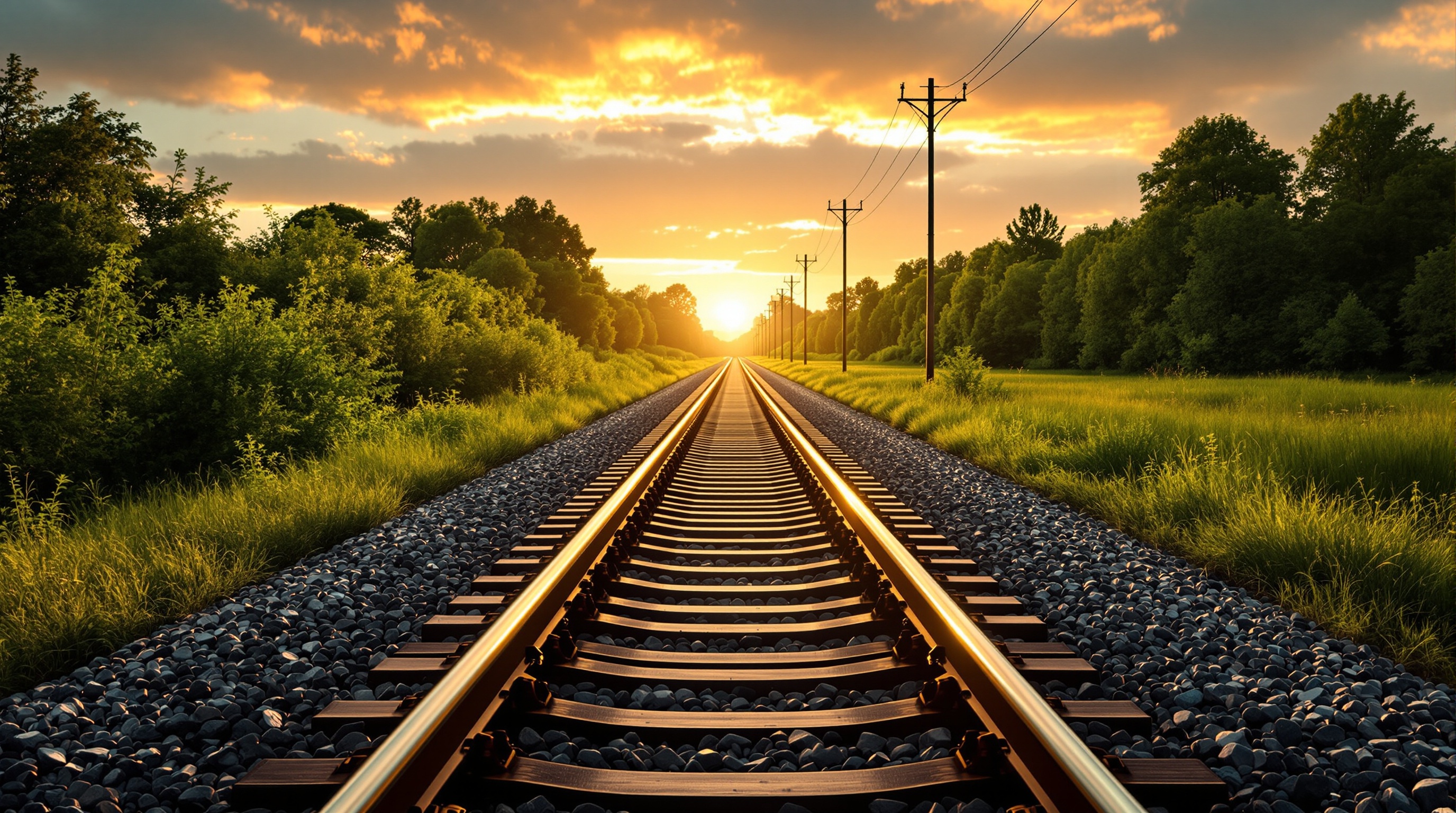
For kids: Tracks need to be perfectly clear for trains to stay safe. Even something that looks tiny can cause a huge problem — it is never just a rock or a coin.
It does not seem like a big deal. A rock. A bike. A shopping cart. Even something as small as a piece of metal. But when something is placed on train tracks, the risk is not just damage — it can be a derailment. And derailments can change lives in an instant.
What Happens When Something Is Left on the Tracks
Trains run on very precise systems. Unlike cars, they cannot swerve, cannot quickly stop, and rely completely on clear, stable tracks. When an object is in the way, the consequences can escalate fast.
Can't Swerve
Trains are locked to their rails — there is no steering away from an obstacle.
Can't Stop Fast
A freight train can take over a mile to stop — brakes alone cannot prevent impact.
Precision Required
Every inch of track must be clear. Even minor disturbances can disrupt the system.
What Is a Derailment?
A derailment is when a train comes off the tracks. Even at lower speeds, this is not a minor event. The consequences ripple outward in every direction.
What a Derailment Can Mean
Multiple Cars Damaged
When one car leaves the tracks, others can follow — creating a chain reaction of destruction.
Cargo Spills
Freight trains carry chemicals, fuel, and heavy goods that can spill and endanger communities.
Injuries to Crew & Passengers
People on board and nearby can be seriously hurt when a train leaves its tracks at speed.
Community Disruption
Rail lines may close for days or weeks, impacting supply chains, travel, and local economies.
And while not every object causes a derailment, the risk is always there. Every single time.
It's Not Just Big Objects
People often assume only large items are dangerous. But even smaller things can create serious problems that compound over time.
Metal Objects & Wheel Interference
Pieces of metal can lodge between wheels and rails, causing grinding damage or throwing a wheel off alignment at high speed.
Debris in Track Components
Small rocks, sticks, and trash can get trapped in switches and joints — parts of the track that direct trains from one line to another.
Cumulative Wear on the Rail System
Repeated impacts from foreign objects weaken rails and ties over time, creating structural vulnerabilities that are hard to detect before failure.
It only takes one moment, one object, and one train.
Why This Matters for Kids and Teens
Sometimes, objects end up on tracks not out of malice — but out of curiosity, dares, peer pressure, or simply not understanding the risk. Thinking "it is not a big deal" is one of the most common reasons this happens.
Common Reasons Kids Put Objects on Tracks
Curiosity
Wondering what will happen
Peer Pressure
Dares or fitting in
Unawareness
Not knowing the risk
Minimizing
"It's not a big deal"
But the truth is — railways are not a place for experiments. They are active systems where mistakes can have real consequences for real people.
What We Teach at The Cody Ron Foundation
We believe in teaching kids the why, not just the rule. Not just "Stay off the tracks" — but why tracks must stay clear, why trains cannot react like cars, and why even small choices matter.
Because understanding leads to better decisions. A child who truly gets it does not need to be reminded every time — they carry that knowledge with them.
The Why
Understanding the reason behind rules makes them stick for life.
Smart Choices
Empowering kids to decide well even when no adult is watching.
Real Impact
One right choice can protect many people they will never even meet.
What You Can Do
These simple conversations can prevent serious harm. Talk with your kids about the three things that matter most:
Never Place Objects on Train Tracks
No matter how small or harmless it seems — rocks, coins, sticks, toys. Nothing belongs on a live track, ever.
Report Anything Unusual Near Tracks
If you see something on or near the tracks that should not be there, tell an adult or call the railway emergency line immediately.
Stay at a Safe Distance at All Times
Even watching from the sidelines has risks. Wind force, flying debris, and sudden train movements require a healthy buffer zone.
For families: You do not need a big sit-down talk. Bring it up naturally — next time you drive past tracks, on the way to school, or after watching a train together. Short and real beats formal and forgotten.
Built by the railroad.
Broken by the system.
Rebuilt by love.
— The Cody Ron Foundation
Share this. One parent, one teacher, one conversation — that is how safety spreads. Pass this article along to someone who might need it.
Share this article