Pennies on the Tracks: A Childhood Trick That Isn't Worth the Risk
What seems like a fun experiment can quickly turn dangerous.
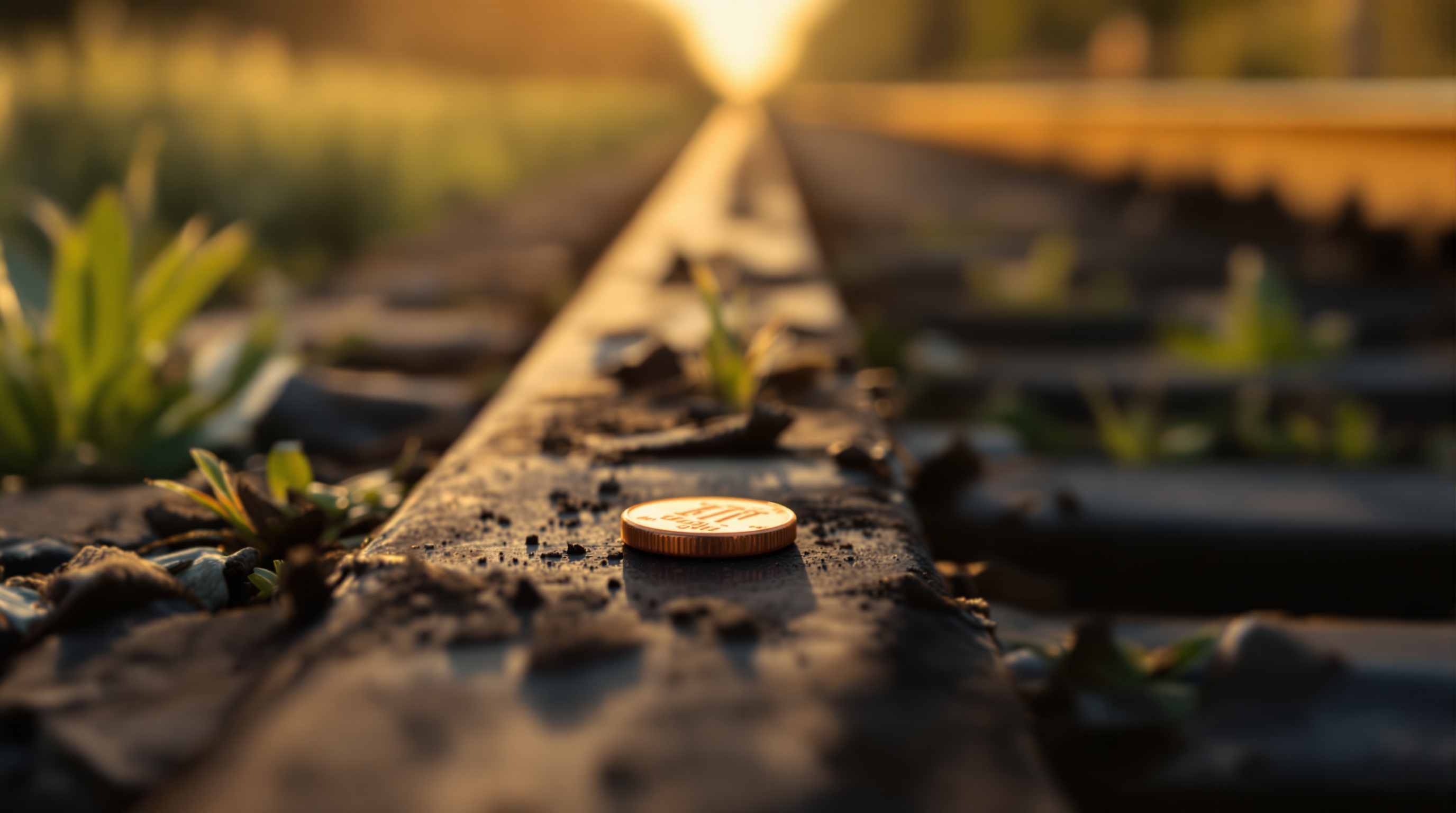
For kids: Curiosity is awesome — but some "experiments" aren't safe. You can still be fascinated by trains without ever stepping near the tracks!
If you grew up around train tracks, you have probably heard of it. Placing a penny on the rails. Waiting for the train to pass. Coming back to find it flattened like magic. It feels harmless. Curious. Almost like a childhood tradition.
But there is a side to this that many kids — and even adults — do not fully understand. For kids, it is simple: it is exciting, it feels like a science experiment, and it is something "everyone has tried at least once." And honestly? The result is kind of fascinating.
But the danger is not in the coin — it is in everything around it.
What Actually Happens When a Train Hits a Penny
A train can weigh thousands of tons and move at high speeds. When it rolls over a coin, the penny flattens instantly. But here is what most people do not think about: the coin can also shift or shoot out from under the wheel, and the metal can become sharp or unpredictable.
The Physics at a Glance
Instant Flattening
Massive weight crushes the penny in a split second.
Metal Can Fly
The coin may shoot out from under the wheel at speed.
Sharp Edges
Flattened metal can have jagged, dangerous edges.
And here is the part people do not talk about: you have to be on or near the tracks to do this. That is where the real danger is.
The Risks That Aren't Obvious
Railway tracks are not just "roads for trains." They are active, high-risk environments. Even being near the tracks puts you in danger. And for something as small as a penny — it is just not worth it.
Hidden Dangers Kids Should Know
Trains Cannot Stop Quickly
A train can take over a mile to come to a full stop — way too late to avoid you.
Some Tracks Carry Electric Current
Third rails and overhead lines carry deadly electricity — even without warning signs.
Trains Come From Either Direction
On many tracks, trains run both ways — and you may not see the one coming behind you.
They Are Often Quieter Than Expected
Modern trains can glide by surprisingly quietly — you might not hear them coming at all.
A Better Way to Stay Curious
Curiosity is a good thing. It is how kids learn. But not all curiosity needs to happen in risky places.
Instead of trying this, here are some safe ways to explore the wonder of trains:
Watch Train Videos Safely Online
There are incredible videos of trains flattening coins, crossing bridges, and roaring through scenery — all from the safety of your screen. You get the wow factor without any risk.
Visit Designated Viewing Areas
Many train stations and museums have safe observation decks and viewing platforms where you can watch trains go by from a protected distance.
Learn How Trains Actually Work
Books, documentaries, and museum exhibits explain how trains move, how tracks are built, and how engineers keep everything running. The science is just as cool as the spectacle.
For families: Turn "I want to try that" into "Let's learn about that together." A trip to a train museum or a train video night can satisfy curiosity and create safe memories.
What We Teach at The Cody Ron Foundation
We believe kids deserve safe places to explore, honest conversations about risk, and education that sticks with them. Because moments like this — small choices — can turn into big consequences.
Safe Exploration
Curiosity should be encouraged — in safe environments where kids can thrive.
Honest Conversations
We talk openly about why some things that look fun are actually dangerous.
Lasting Education
Safety lessons should stay with kids for life — not just until they forget.
Talk About It
If your child has heard of this — or tried it — do not panic. Just talk about it. Explain why trains are different from cars, why tracks are never a safe place to stand, and why even "quick" experiments can be dangerous.
These conversations matter more than we think. A child who understands the "why" behind safety rules is far more likely to follow them — even when no adult is watching.
Your voice matters. One conversation about why tracks are dangerous could be the one that keeps your child safe. Share this article with other parents and caregivers.
Share this article